
Our Mission
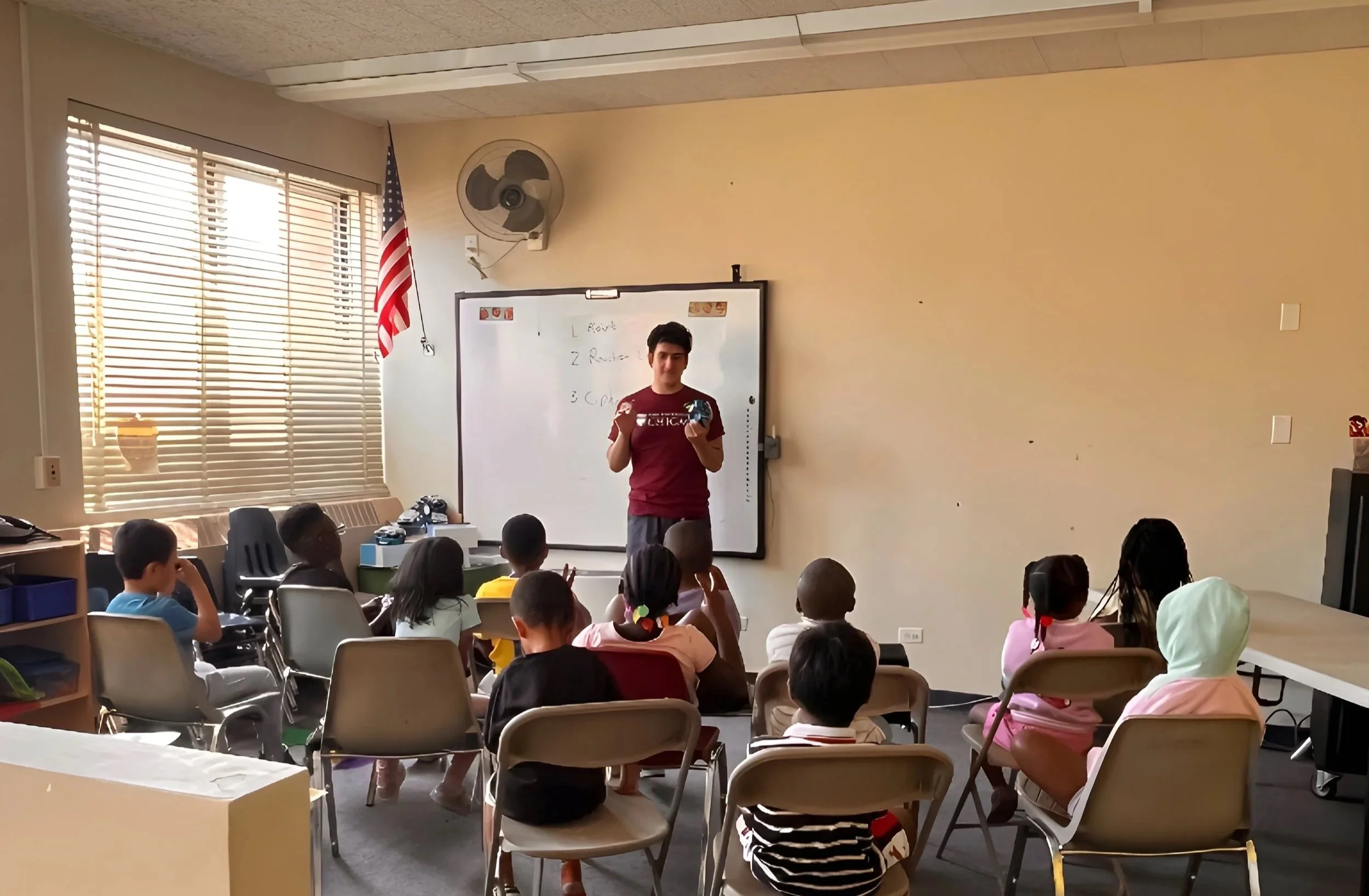
The Ethical Decisions Initiative exists to help students build structured approaches to ethical reasoning, reflection, and long-term responsibility. Through educational talks and practical frameworks, we aim to equip young people with tools that support clear thinking under pressure and protect future opportunities.

Founder
The Ethical Decisions Initiative was founded by Amirali Monz as an educational project focused on helping students develop stronger habits of reflection, responsibility, and long-term thinking. Amirali became interested in how people make decisions under pressure and how structured frameworks can help individuals pause, evaluate consequences, and act in ways that align with their values and goals.
Drawing on insights from psychology, ethics, and student development research, Amirali created the Initiative to translate complex ideas about judgment and responsibility into practical tools that students can apply in real-life situations. Through educational talks and accessible resources, the project aims to encourage thoughtful decision-making and help students navigate moments of pressure with greater clarity and integrity.
The Ethical Decisions Initiative reflects a belief that ethical reasoning is a skill that can be strengthened through education, reflection, and open conversation. By promoting proactive learning rather than reactive correction, the Initiative seeks to support students in protecting their future opportunities while contributing positively to their academic communities.

Why Ethical Decision-Making Needs Structure
Adolescence and early adulthood are marked by intense social influence, identity development, and rapidly increasing independence. In high-pressure moments, judgment narrows. Decisions that feel small in the moment can carry lasting academic, professional, and personal consequences.
Ethical reasoning is not merely about character—it is about training the mind to pause, evaluate incentives, consider downstream impact, and act in alignment with long-term values. When taught proactively, these skills can meaningfully reduce preventable harm.
Our Approach
1. Education, Not Judgment
Content is supportive and forward-looking, focusing on skill-building rather than shame.
2. Frameworks, Not Fear
Students are introduced to structured decision-making models that help clarify options during high-stakes moments.
3. Responsibility, Not Reactivity
We emphasize ownership, reflection, and long-term thinking rather than short-term damage control.

Core Principles
Reflection before reaction
Accountability as growth
Respect for institutional processes
Education over punishment
Long-term thinking over short-term impulse