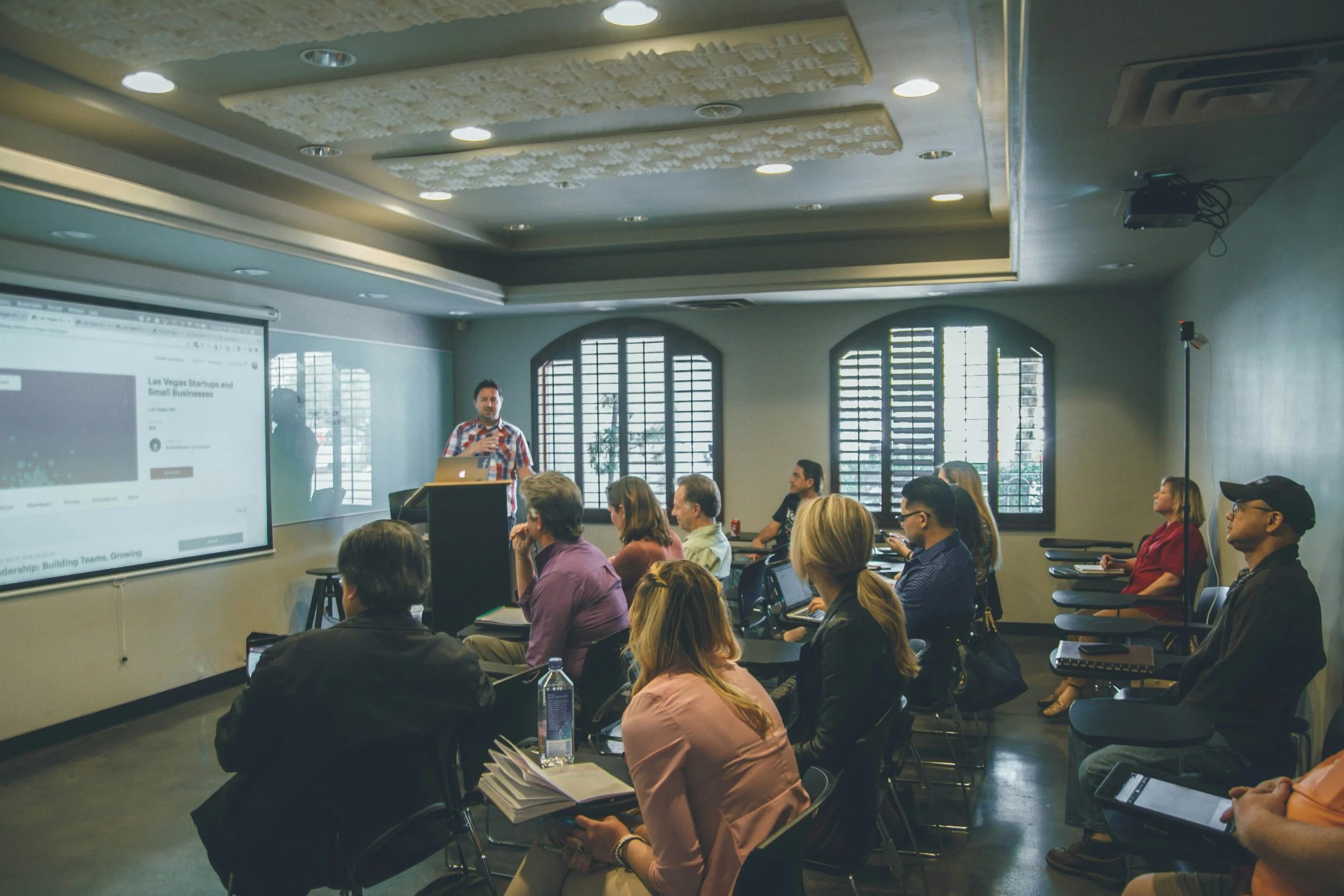
Educational Talks & Workshops
Structured, age-appropriate sessions that teach students how to think clearly, act responsibly, and protect their future opportunities in high-pressure moments.
Program Gallery
-

Talk 1: Ethical Frameworks Under Pressure
Overview:
Students learn how stress, peer influence, and short-term thinking can distort judgment. This session introduces a simple, repeatable decision-making framework designed to be used in real time.
Key Topics:
How pressure narrows perspective
The role of incentives and consequences
Long-term vs short-term thinking
A 4-step ethical pause model
Practicing reflection before action
Ideal Audience
Grades 8–12, college freshmen
-

Talk 2: Youth Pitfalls & Long-Term Consequences
Overview
An age-appropriate exploration of common student decision traps and how small choices can compound over time.
Key Topics
Digital behavior and permanence
Academic integrity
Substance and peer influence
Reputation and future opportunity
Accountability as growth
Ideal Audience
High school and college students
-

Talk 3: Leadership & Responsibility
Overview
Designed for student leaders and athletes, this session emphasizes accountability, influence, and decision-making in visible roles.
Key Topics
Leadership under scrutiny
Modeling behavior
Owning mistakes constructively
Protecting team and community culture
Ideal Audience
Student government, athletics, clubs

Designed for Schools and Student Organizations
Each session is tailored to the developmental stage of the audience and emphasizes reflection, responsibility, and practical tools—not moralizing or fear-based messaging. Content aligns with school values and reinforces positive institutional culture.
Formats Available
30–45 minute lunch talk
60-minute workshop format
Assembly presentations
Small group discussion sessions
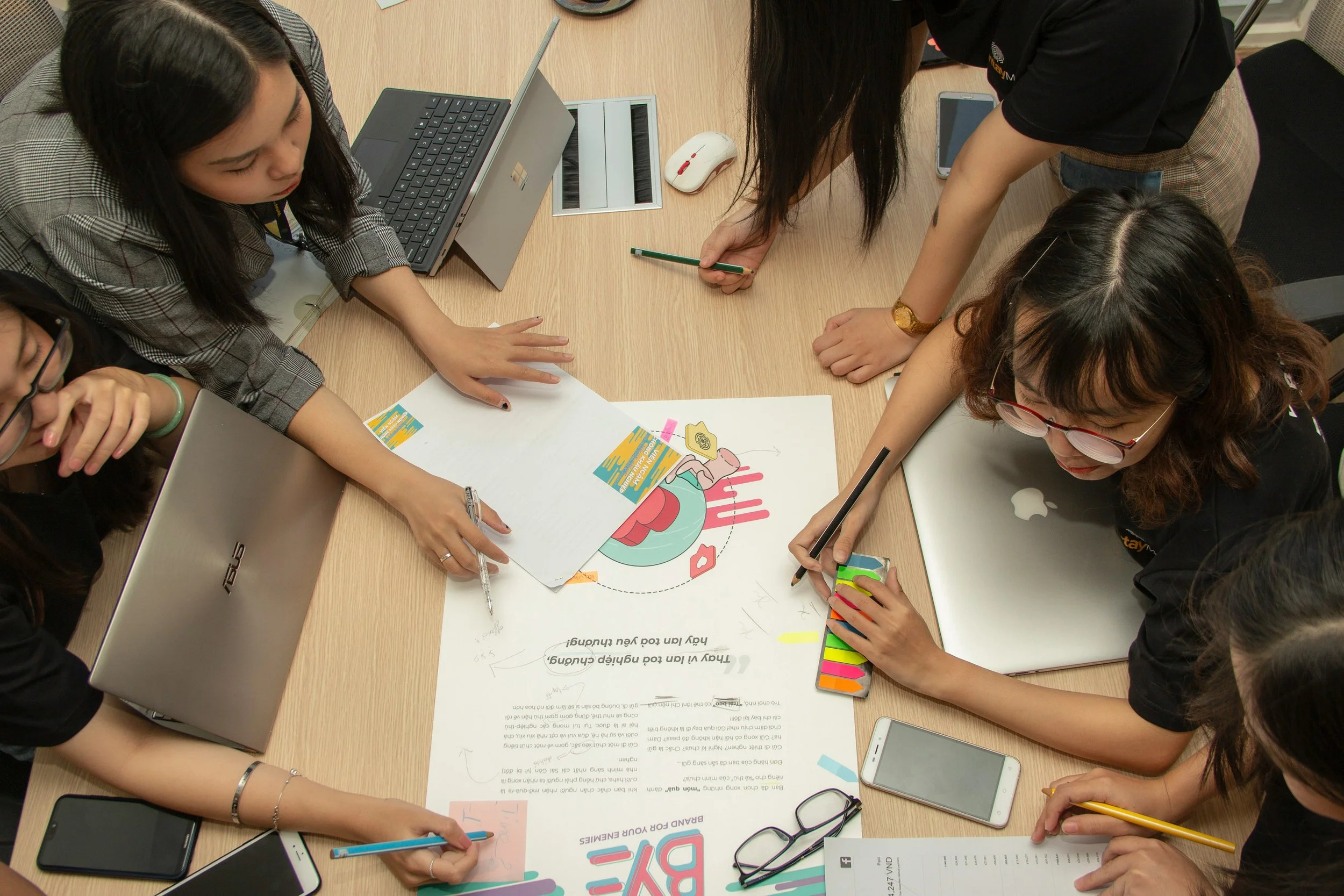
What Schools Can Expect
Age-appropriate, non-political content
Respectful alignment with school values
No legal advice or adversarial messaging
Structured slides and clear learning objectives
Interactive Q&A session
Optional follow-up resources